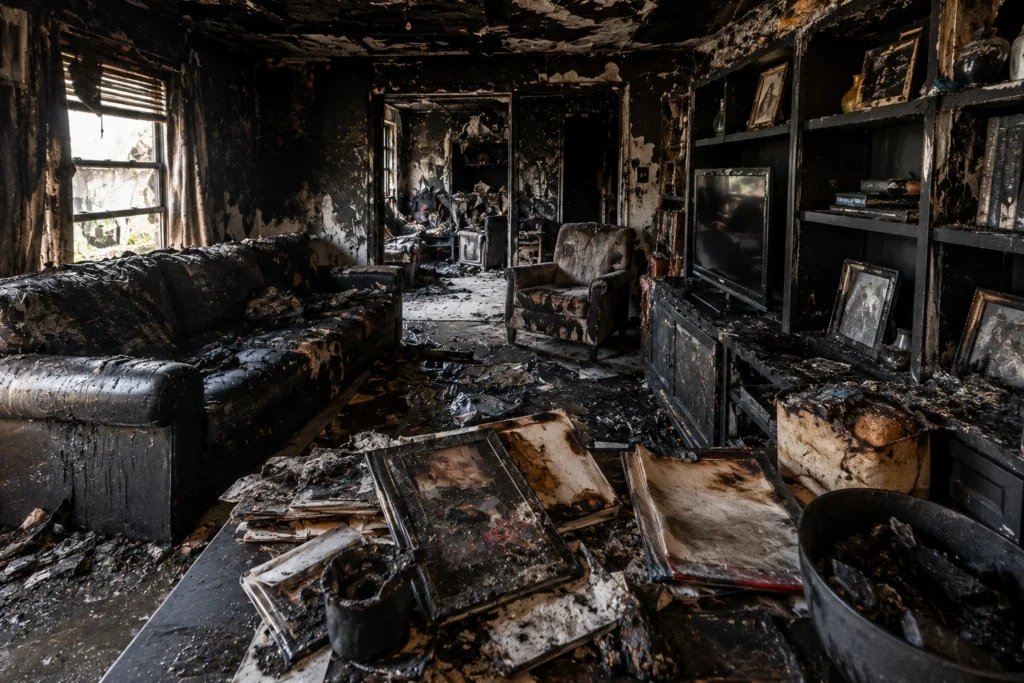
A house fire takes more than walls and a roof. It takes the couch, the kids' clothes, the kitchen gadgets, the tools in the garage, and a hundred small things you never thought about until they were gone.
If you just went through a fire, you're probably exhausted. Here's a plain-language look at the personal property part of your claim, often called "contents," and how to make sure you're paid for what you lost.
Why Contents Claims Get Underpaid
An adjuster can measure walls and price drywall. Contents are different. Nobody but you knows everything that was in your home, and the insurance company is waiting for you to make the list.
That's where many claims fall short. Families are stressed, living in a hotel or with relatives, and the inventory gets rushed. Items get forgotten and values get guessed low. Whatever doesn't make it onto the list usually doesn't get paid.
Build Your Inventory Room by Room
Go through each room, in person or from memory, and work clockwise. Open every drawer and closet in your mind, then do the basement, attic, garage, and sheds. For each item, note:
- What it is (brand and model if you know it)
- How many you had and about how old it was
- What it would cost to replace today
Don't forget the small stuff: pantry food, cleaning supplies, towels, bedding, holiday decorations, books, and toys. Old photos, online order history, and bank statements can jog your memory.
Before anything is thrown out, photograph it. Don't discard damaged items until the insurer has had a chance to inspect them, unless they're a safety hazard. Smoke and soot can ruin things in rooms the fire never touched.
ACV vs. Replacement Cost
Actual Cash Value (ACV) is what an item was worth at the time of the fire, after depreciation for age and wear. Replacement Cost Value (RCV) is what it costs to buy a comparable new item today.
If your policy covers replacement cost, the insurer usually pays ACV first. The difference, called recoverable depreciation, is generally paid after you replace the item and show a receipt. If your policy is ACV-only, depreciation typically isn't recoverable. Either way, check how depreciation was calculated. It's often worth a second look.
How a Public Adjuster Helps
The adjuster your insurance company sends works for the insurer. A licensed public adjuster works only for you. (Learn more in our post on insurance adjusters vs. public adjusters.)
Claim Management Adjusters has been handling contents claims since 2009. We:
- Build the inventory with you, room by room, so the small things aren't missed
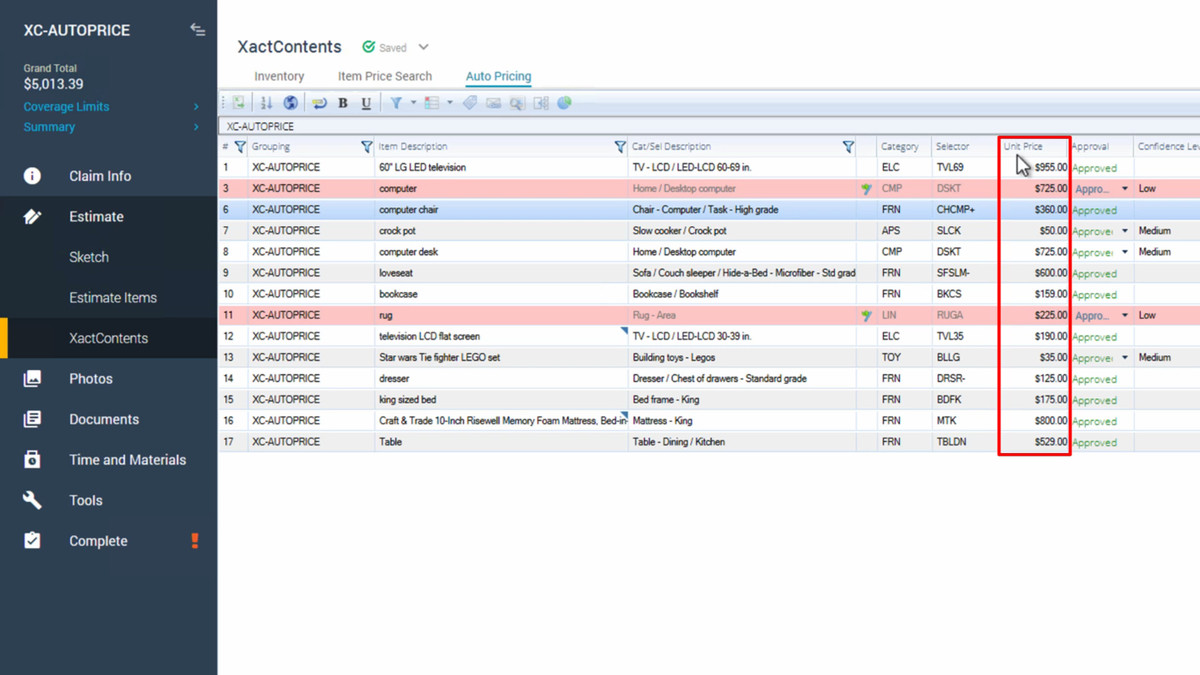
- Price each item at today's replacement cost
- Document smoke and soot damage and push for replacement when cleaning won't restore an item
- Review depreciation and help you recover what you're owed
- Negotiate with the insurer so you can focus on your family
We work with homeowners in every state where we're licensed.
Frequently Asked Questions
How long do I have to submit my contents inventory?
Check your policy. The deadline is often tied to the proof of loss the insurer requests, commonly around 60 days after that request.
Can I hire a public adjuster if my claim is already open?
Yes. You can bring in a public adjuster at any point during an open claim, even after an initial payment or offer.
What if I don't have receipts?
That's normal after a fire. Photos, bank and credit card statements, and online order history can help support your inventory.
Claim Management Adjusters is a licensed public adjusting firm located in Hartford City, Indiana (PO Box 509, Hartford City, IN 47348). This article is general information, not legal advice. Your policy language controls your coverage.